
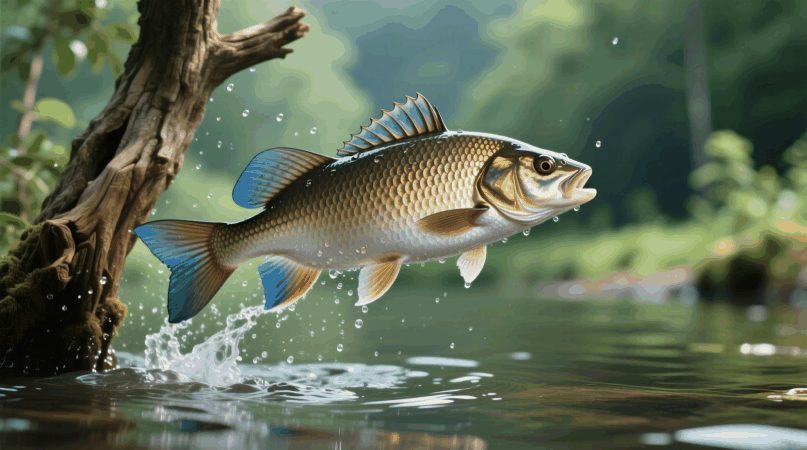
You don't need a fancy fishing rod, shiny lures, or a tackle box to catch fish. People fed themselves for thousands of years with nothing but sticks, vines, and patience. We've done it ourselves - in rivers, ponds, and even muddy ditches. If you're stuck without gear, hungry, or just curious, these tricks will help you land a meal.
This isn't sport fishing. This is survival fishing. No rules. No licenses. Just you, the water, and your brain. Everything you need can be found on the ground, in your pocket, or made in five minutes. Let's show you how.
Because rods break. Lines snap. Hooks rust. And sometimes, you just don't have one. Maybe you're lost. Maybe your gear got washed away. Maybe you're camping light and left it behind. Whatever the reason - knowing how to fish with almost nothing could save your life.
We learned our first trick after dropping our only fishing pole in a river. Didn't cry. Didn't quit. Made a new one from a stick and shoelace. Caught three fish before sunset. Ate well that night.
Forget reels and rods. Look around. Nature gives you everything. Your hands. A sharp rock. A piece of string. A tin can. Even your shirt. That's all it takes.
Yes, you can catch fish with your bare hands. It's called "noodling" in some places, "trouting" in others. Find shallow water with rocks or logs. Move slow. Look under edges. When you see a fish hiding, block its escape with one hand. Grab it fast with the other. Squeeze behind the gills - don't let go.
We caught our first hand fish in a creek behind our uncle's farm. Felt slimy. Wriggled hard. But fried up golden and tasty. Never forgot that feeling.
No hook? Make one. Straighten a safety pin. Bend a thorn. Sharpen a piece of bone. Even a bent paperclip works. Tie it to any string - shoelace, dental floss, vine, or torn shirt strip. Add a small rock for weight. Bait it with bug, worm, or bit of fat. Drop it in. Wait.
Last summer, we used a hairpin from our sister's bag. Tied it to kite string. Caught a bluegill in 20 minutes. She didn't even miss the hairpin.
Why chase fish when you can make them walk into your dinner? Traps work while you sleep, gather wood, or fix your shelter. Set it. Forget it. Come back later. Full belly guaranteed.
Cut a plastic soda bottle in half. Flip the top part upside down and slide it into the bottom. Tape or pin it in place. Bait the inside with bread, bug, or guts. Sink it in shallow water. Fish swim in through the neck but can't find their way out. Check every few hours.
We set three of these in a farm pond. Caught seven small fish in one afternoon. Kids loved checking them like treasure boxes.
Find a thin, strong stick about 3 inches long. Sharpen both ends. Tie your line around the middle. Bait it by wrapping worms or fat around the center - don't cover the points. When a fish swallows it, pull the line. The stick turns sideways in its throat. Fish can't spit it out.
Our grandpa taught us this. Said his father used it during the war. We tried it. Felt sneaky. Worked like magic.
In shallow streams, pile rocks into a V-shape pointing downstream. Leave a small gap at the tip. Place a basket, net, or deep hole at the gap. Fish swimming downstream follow the current into the V - and get funneled into your trap. Works best at night or early morning.
We built one in a mountain creek. Woke up at sunrise. Found two trout waiting. Cooked them over coals. Best breakfast ever.
Sometimes, you need fish now. Not later. Not tomorrow. Now. That's when you grab a spear or knock them silly. Takes practice. Takes speed. Worth it when you're starving.
Find a straight, strong pole - 5 to 7 feet long. Sharpen one end with your knife or a rough rock. For better results, split the end into four prongs and tie them open with string. Makes a wider target. Stand still in shallow water. Wait. Strike fast and straight down.
We missed ten times before our first hit. Felt like a caveman. Proud. Loud. Hungry no more.
Big fish in shallow pools? Throw a heavy rock just behind them. The shockwave stuns them. They float up. Grab them fast. Works best in small, still water. Don't waste rocks - aim carefully.
Fish aren't picky when they're hungry. But some things work better than others. Use what's around you. Bugs. Fat. Shiny stuff. Movement. Smell. Mix and match until something bites.
We once used a strip of bacon fat tied to a thorn. Caught a fish in under a minute. Grease floated. Smell spread. Fish came running. Almost.
Location matters more than gear. Fish like quiet, shallow, shady spots. Early morning or late evening? Best times. Midday sun? Fish hide deep. Move slow. Stay low. Be patient.
We caught our biggest fish at midnight. Used a headlamp. Saw it glowing under a root. Reached in. Grabbed it. No one believed us until we showed the photo.
Fishing without gear is fun - but not risk-free. Wet rocks slip. Fish bite. Water hides snakes, glass, or deep holes. Be smart. Be gentle. Take only what you need.
We cut our foot once on a hidden can. Learned to always wear old sneakers in the water. Lesson learned. Scar faded. Fish still taste good.
Don't wait until you're hungry and desperate to try this stuff. Go to a local creek this weekend. Try one trick. Fail. Try again. Laugh. Learn. Bring your kids. Make it a game.
We keep a "survival fishing kit" in our car - a safety pin, 10 feet of paracord, and a small bag of hooks (just in case). Total cost: $1.20. Could feed us for a week if needed.
Fishing without a rod isn't about being fancy. It's about being free. Free from stores. Free from gear. Free from panic. You and the water. That's all you need. Grab a stick. Tie a string. Find a fish. Dinner is waiting.
Every guide mentioned on this site is available through our main survival directory.