FAQs About Prepping and Survival
Everyone has questions when they start prepping. We did too. "Where do I begin?" "Do I need a bunker?" "What if my family thinks I'm crazy?" "Is it too late?" These aren't silly questions. They're the first steps on a path that leads to peace, safety, and quiet confidence even when the world feels shaky. We've been prepping for over a decade. Made mistakes. Learned lessons. Lost sleep. Gained freedom. And along the way, we've answered these questions again and again for neighbors, friends, even strangers at the hardware store. Now, we're answering them for you. Plain. Simple. No fluff. Just what works.
What Is Prepping, Really?
Prepping is about being ready. For storms. For job loss. For sickness. For power outages. For whatever life throws at you. We prep because we've seen good people get crushed by bad luck and we refuse to be one of them.
You don't need to believe in the end of the world. You just need to believe in being smart. In being ready. In taking care of your own. That's all prepping is. Practical. Quiet. Powerful.
Prepping vs. Hoarding – What's the Difference?
- Hoarding: Buying 500 rolls of toilet paper and hiding them. No plan. No sharing. Just panic.
- Prepping: Storing two months of food, rotated often. Sharing extras. Teaching others. Having a plan.
We started with one extra bag of rice. Then added beans. Then a water filter. Then a first aid kit. Slow. Steady. Smart. That's prepping. Not panic. Preparation.
Where Do I Start? (The #1 Question)
Don't try to do everything today. Or this week. Or even this month. Start with one thing. Then another. Then another. Small steps build strong safety nets.
First 3 Things to Do – This Week
- Water: Store one gallon per person per day for three days. Bottled water from the store is fine. Keep it in a closet. Out of sunlight.
- Food: Buy two extra meals' worth of canned food. Soup. Tuna. Beans. Anything that doesn't need cooking. Put it in a box. Label it "Just in Case."
- Light: Get one flashlight. And extra batteries. Or a hand-crank lantern. Keep it where you sleep. Test it once a month.
That's it. Three things. Less than $50. Done in an afternoon. You're now more ready than 90% of people. And you didn't need a bunker. Or a credit card. Or permission.
How Much Food Should I Store?
There's no magic number. But here's what works for us: start with two weeks. Then build to one month. Then three. You don't need fancy freeze dried meals. Just real food you already eat.
Simple Food Storage Plan
- Week 1-2: Canned goods. Peanut butter. Crackers. Oatmeal. Easy to open. No cooking needed.
- Month 1: Add rice. Pasta. Dried beans. Cooking oil. Salt. Sugar. Basic staples.
- Month 3: Add spices. Comfort foods. Chocolate. Coffee. Tea. Morale matters.
Rotate, Don't Collect Dust
- Use the oldest food first. Write purchase dates on labels.
- Every three months, cook one meal from your stash. Keeps it fresh. Keeps you practiced.
- Store in cool, dry, dark places. Under beds. In closets. Behind couches. No fancy shelves needed.
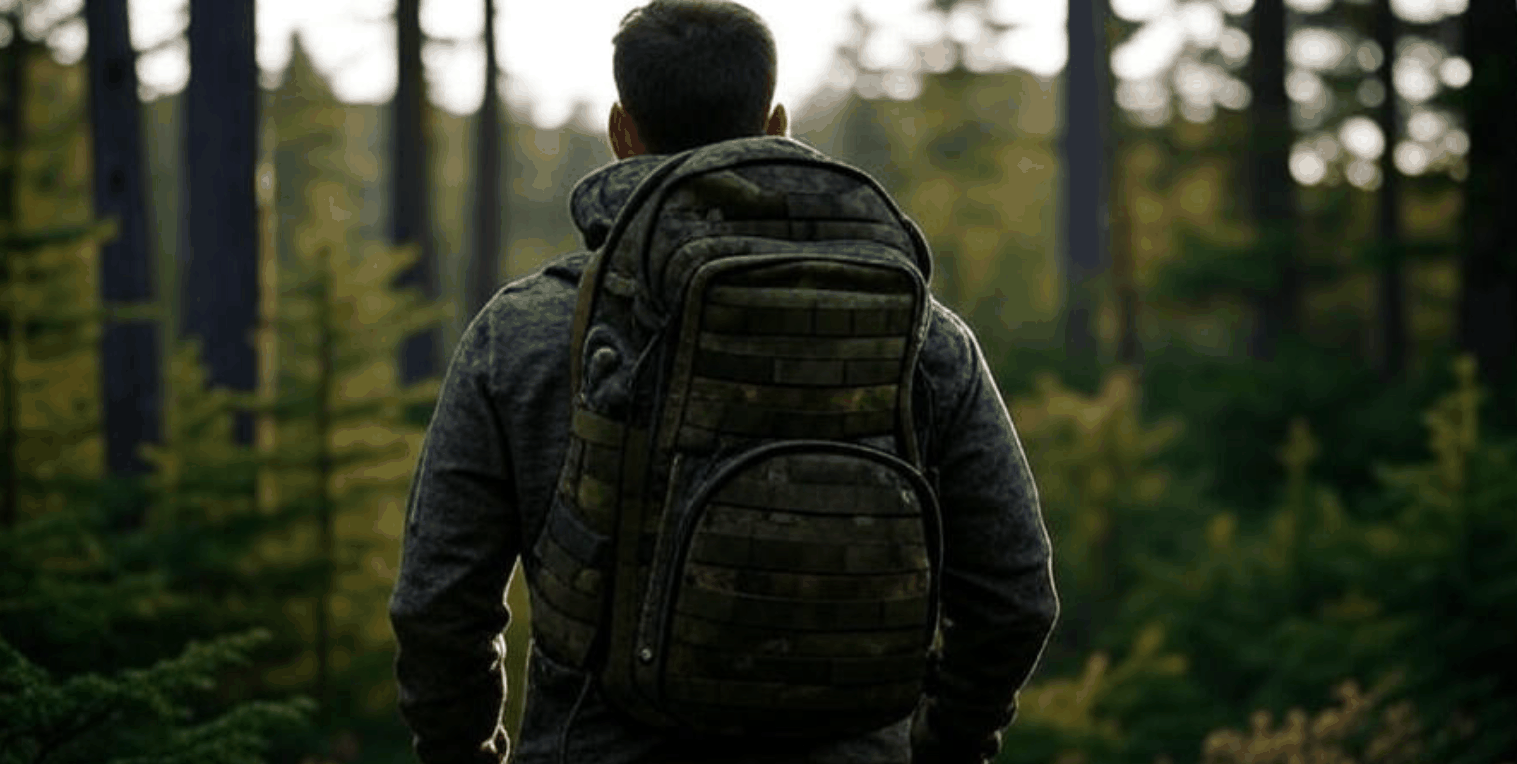
Do I Need a Bug Out Bag?
Only if you might need to leave fast. Fire. Flood. Evacuation order. If you live in a safe, stable place? Maybe not yet. But having a "go bag" ready is smart even if you never use it.
What Goes in a Basic Bug Out Bag
- Water (2 liters) and a way to purify more (tablets or filter)
- Food for 3 days (energy bars, nuts, dried fruit)
- Flashlight + batteries or hand-crank
- First aid kit (bandages, pain pills, antiseptic)
- Warm blanket or sleeping bag
- Change of clothes (including socks and underwear)
- Multi-tool or pocket knife
- Whistle and dust mask
- Cash (small bills) and copies of ID
- Phone charger (power bank or solar)
Keep it light. Under 20 pounds. Store it by the door. Check it every six months. Replace food. Check batteries. Add or remove clothes for the season.
How Do I Talk to My Family About Prepping?
Don't say "prepping." Don't say "collapse." Don't say "when society falls." Say things like:
- "Let's be ready for the next storm."
- "What if the power goes out for a week? Let's plan."
- "I want us to feel safe, no matter what happens."
Start Small – Show, Don't Preach
- Make a fun "camping night" at home with lanterns and canned stew.
- Teach kids how to purify water with a filter. Make it a game.
- Let your spouse pick out the emergency radio. Give them control.
We didn't convince our kids with speeches. We let them help pack the snack drawer. Now they remind us when the peanut butter's running low. Kids get it. Adults just need to feel safe not scared.
Is It Too Late to Start Prepping?
No. Never. We started after a flood washed out our kitchen. Had nothing. Learned fast. You can start today with one bottle of water. One can of beans. One flashlight. That's not too late. That's the perfect time.
Even If Crisis Is Already Here – Start Now
- Save half your meal. Put it aside. That's your first food stash.
- Fill empty soda bottles with tap water. Screw lids tight. Store under bed.
- Trade skills for supplies. Fix a neighbor's bike for extra canned goods.
Survival is about how smart you are with what you've got. We've seen people with full pantries panic and people with one jar of peanut butter stay calm. Calm wins. Always.
How Much Money Do I Need to Start?
None. Or very little. Prepping is about thinking. Planning. Using what you have.
Zero-Cost Prep Ideas
- Save empty jars. Store dry beans or rice in them.
- Use old socks as wash rags. Old t-shirts as bandages.
- Fill milk jugs with water. Store in garage. Free emergency supply.
- Learn knots from YouTube. Practice with shoelaces.
- Walk your neighborhood. Note where water spigots, parks, or churches are.
Low-Cost Upgrades ($5–$20)
- Hand-crank radio with flashlight and USB charger.
- Water purification tablets (bottle lasts 50+ treatments).
- Mylar blankets (pack of 5 for $10 great for warmth or signaling).
- Multi-tool or sturdy pocket knife.
- Notebook and pencil for lists, maps, messages.
What About Medical Emergencies?
Hospitals might be full. Doctors might be busy. You need to handle small things yourself. Cuts. Burns. Fevers. Sprains. Nothing fancy. Just basics.
Build a Simple First Aid Kit
- Bandages (various sizes)
- Gauze pads and medical tape
- Antiseptic wipes or bottle of rubbing alcohol
- Pain relievers
- Antihistamines
- Antibiotic ointment
- Thermometer
- Tweezers and small scissors
- Latex or nitrile gloves
- First aid manual (small, picture-based)
Learn 3 Life-Saving Skills
- How to stop bleeding (press hard, don't peek, elevate if possible).
- How to treat a burn (cool water, cover with clean cloth, no butter or ice).
- How to spot signs of infection (redness, swelling, pus, fever get help fast).
How Do I Store Water Long-Term?
Water doesn't "go bad." But containers can leak. Algae can grow. Plastic can taste funny. Simple rules keep it safe.
Best Containers for Water Storage
- Store-bought bottled water (rotate every 6–12 months).
- Food-grade plastic jugs (like juice or soda bottles wash well first).
- 5–7 gallon water jugs with spigot (easy to move, easy to pour).
- WaterBOB for bathtub (fills tub with clean bag great for short-term).
How Much Water to Store
- Minimum: 1 gallon per person per day (half for drinking, half for cooking/cleaning).
- Start with 3 days' worth. Build to 2 weeks. Then 1 month.
- Don't forget pets! Add 1 quart per 20 lbs of pet per day.
Keep It Safe
- Store in cool, dark place. Garages get hot basements or closets better.
- Keep off concrete floor (use wood pallet or cardboard).
What If I Live in an Apartment or Small Space?
Space-Saving Prep Ideas
- Under-bed storage bins (for water, food, blankets).
- Over-door organizers (for first aid, tools, snacks).
- Vacuum-sealed bags (for clothes, rice, pasta saves space, keeps bugs out).
- Foldable items (collapsible water jugs, nesting pots, solar oven).
- Vertical shelving (use wall space don't waste floor space).
Community Prep
- Get to know neighbors. Trade skills. Share storage space.
- Keep a "go bag" by the door ready in seconds.
- Know your building's exits. Fire escapes. Water shutoffs. Circuit breakers.
How Do I Stay Mentally Strong?
Fear is normal. Panic is optional. Your mind is your most powerful survival tool. Train it like a muscle.
Simple Mental Prep
- Breathe slow when stressed. In 4 seconds. Hold 4. Out 4. Repeat.
- Make a "calm list" 5 things you can touch, see, hear right now.
- Practice small drills: cook without power. Sleep with no lights. Walk without phone.
Build a "Why" List
- Write down why you're prepping. "For my daughter's smile." "To see the garden bloom." "To help my neighbor."
- Keep it in your wallet. Read it when doubt creeps in.
What Are the Biggest Mistakes New Preppers Make?
We've made them all. So you don't have to.
Top 5 Mistakes (And How to Avoid Them)
- Buying gear instead of learning skills. A $500 water filter won't help if you don't know how to use it. Learn first. Buy second.
- Ignoring rotation. Food expires. Batteries die. Check your stash every 3 months. Use it. Replace it.
- Prepping alone. Survival is a team sport. Build a network. Even one trusted friend doubles your chances.
- Focusing only on food. Water, warmth, light, medicine, and morale matter just as much.
- Waiting for "perfect." Start messy. Start small. Start now. Perfect is the enemy of prepared.
Final Truth
You won't wake up one day and say, "I'm fully prepped." Because life changes. Seasons change. Needs change. That's okay. Prepping isn't a finish line. It's a habit. Like brushing your teeth. Like checking the oil in your car. Small. Regular. Lifesaving.
Keep a notebook. Write down what you buy. What you learn. What you use. What you wish you had. That's your map. Your guide. Your proof that you're getting smarter, stronger, safer.
Prepping is freedom to sleep at night. To open your pantry without panic. To help a neighbor without going broke. To face the storm any storm with steady hands and a quiet heart.
We're still learning. Still adding. Still adjusting. And that's the point. You don't have to be ready for everything. You just have to be ready for something. Then a little more. Then a little more. Until one day, you realize you're not just surviving. You're living. On your terms. With your eyes open. And your heart at peace.
Start where you are, use what you have, do what you can. That's not just prepping, that's wisdom. And it's yours for free. For life. For whatever comes next.
Looking for more off-grid resources? Return to the prepper downloads hub.
